

Q&A
Jane Darby Menton, Mohammad Ayatollahi Tabaar
{
  "authors": [
    "Jane Darby Menton"
  ],
  "type": "commentary",
  "blog": "Strategic Europe",
  "centerAffiliationAll": "",
  "centers": [
    "Carnegie Endowment for International Peace",
    "Carnegie Europe"
  ],
  "englishNewsletterAll": "",
  "nonEnglishNewsletterAll": "",
  "primaryCenter": "Carnegie Europe",
  "programAffiliation": "",
  "regions": [
    "Europe",
    "United States",
    "Israel",
    "Iran",
    "China"
  ],
  "topics": [
    "EU",
    "Foreign Policy",
    "Arms Control",
    "Nuclear Policy",
    "United Nations"
  ]
}
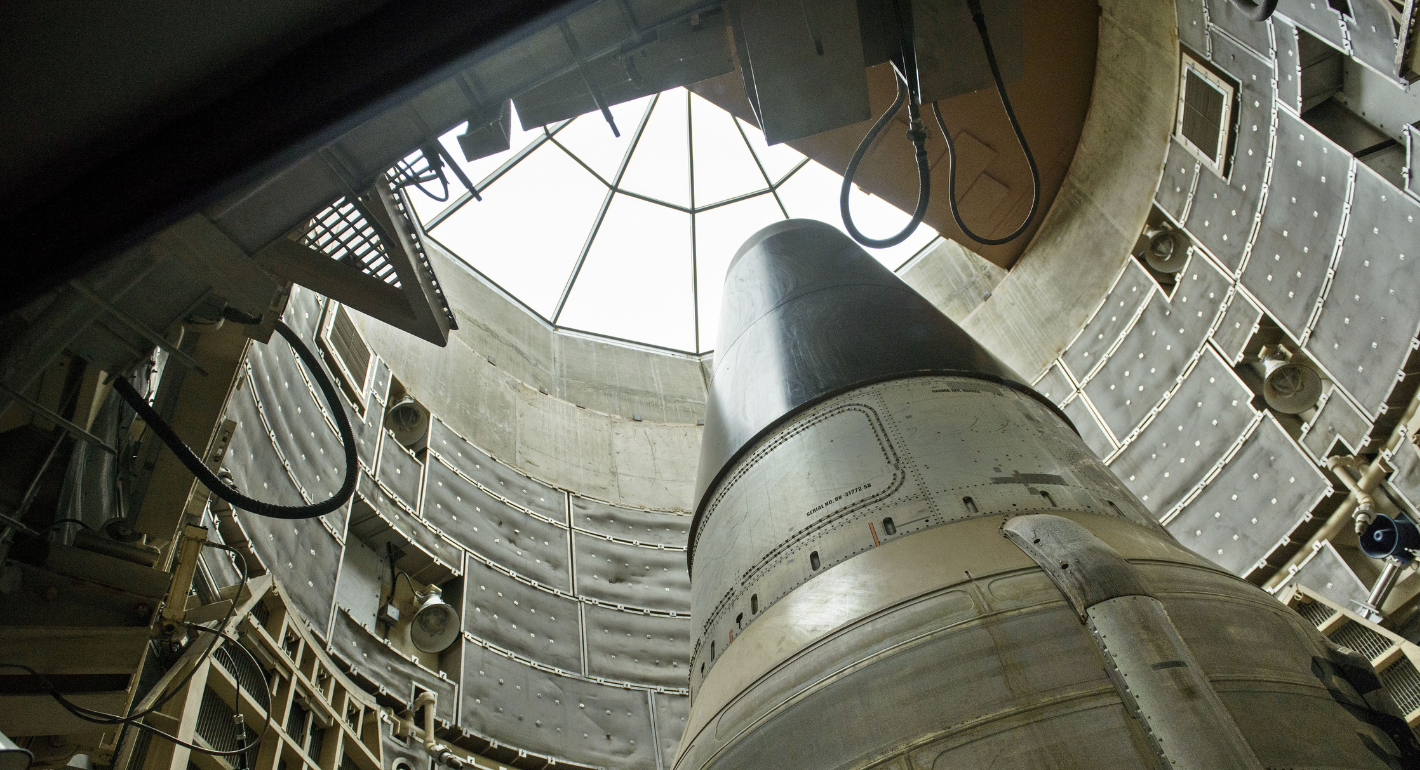
Source: Getty
Amid uncertainty caused by the Iran war, the global drive for nonproliferation has stalled. With Europe diplomatically marginalized and countries reassessing their nuclear options, efforts to curb the spread of nuclear weapons risk becoming irrelevant.
The eleventh review conference of the Nuclear Nonproliferation Treaty (NPT) concluded with a whimper rather than a bang on May 22, 2026. Disagreements over language referencing Iran’s nuclear program derailed efforts to produce a consensus outcome.
Reflecting the discord, the United States lambasted “the inability of some NPT States Parties to take Iran’s threat to global nonproliferation seriously,” presumably referring to Russia and China. Meanwhile, Iran accused the United States and its allies of abusing the treaty. And European states have been reduced, as they often are, to vocalizing regrets about an outcome few deemed surprising.
The threads of this denouement were already evident in April, when the Non-Aligned Movement nominated Iran to be one of the conference’s vice presidents. This procedural move prompted outraged statements from the United States and its allies about Iran’s failures to live up to its treaty obligations. Even the Wall Street Journal editorial board, which rarely devotes column inches to UN deliberative processes, weighed in with a scathing op-ed. Iran, for its part, went into this process with its own grievances about the decision of the United States, a nuclear weapon state, and Israel, which is not party to the NPT but is assumed to have nuclear weapons, to carry out military strikes on Iranian nuclear facilities under International Atomic Energy Agency safeguards.
Recriminations aside, the NPT review conference’s disappointing end was not only due to the contentious Iran file. Any excessive finger-pointing also risks obscuring issues that would not be resolved if this particular crisis ended tomorrow. Progress towards disarmament has not just stalled, it is reversing. In this respect, Europe is part of the story, too. All five NPT nuclear weapon states—including the UK and France—are modernizing, expanding their arsenals, or doing both to the deep frustration of many non-nuclear weapon states, especially in the Global South. Evolving conversations within Europe about deterrence, and proliferation curiosity in a few capitals, have also raised eyebrows. These trends are playing out alongside new challenges to the global norm against nuclear testing, the expiration of the last U.S.-Russian nuclear arms control agreement, China’s opaque nuclear buildup, and pushback against U.S.-led nuclear sharing arrangements, to name just a few issues that surfaced during this review cycle.
Lack of progress towards implementing the so-called resolution on the Middle East, which was integral to securing the NPT’s indefinite extension in 1995, also remains a sore point. Though the terms of this debate have been frozen for decades, the regional nuclear risk landscape is not. In addition to U.S. and Israeli strikes on Iranian enrichment facilities, civilian nuclear power plants in both Iran and the United Arab Emirates have been caught in the crosshairs of this conflict, underscoring the real possibility of a nuclear disaster
For years, the lip service paid to the NPT’s status as the cornerstone of the global nuclear order has belied growing pessimism about its capacity to address the challenges that animated its creation. Review conferences, which occur every five years, often play out through a litany of predictable statements, occasionally punctuated by acerbic rights of reply. While forging a consensus outcome document remains the hallmark of success, this standard has not been met since 2010.
More troubling, many states now view the NPT as a kind of historical artefact. When current events have intruded upon treaty processes in recent years, their impact has generally been disruptive. The 2022 review conference, for example, foundered over Russia’s invasion of Ukraine.
As the curtain drops on another failed review conference, it is worth asking what states hope to achieve from this process going forward. An inability to affirm the most banal tenets of the global nuclear order in an era of rising threats will only fuel allegations of irrelevance, though the counterfactual—a world without any basic commitment to stopping the spread and accumulation of nuclear weapons—is also cold comfort.
Though consensus proved elusive, this year’s conference president, Vietnam’s UN Ambassador Đỗ Hùng Việt, should be lauded for his efforts to streamline the review, engage all parties on equal footing, and dissuade performative grandstanding. For all its flaws, the NPT framework instantiates a conviction that preventing nuclear war is a collective undertaking that requires buy-in from many kinds of states. The conference president’s dedication to that Sisyphean task is itself an affirmation of principle.
To be clear, NPT review conferences are not the appropriate forum to adjudicate nuclear crises. Neither does failing to produce a consensus outcome preclude a future diplomatic solution with Iran, which would almost certainly be backstopped by the UN’s nuclear watchdog.
Historically, European states have championed such initiatives, though recent events have underscored just how marginalized they now are on the Iran file. Although the E3 grouping—the UK, France, and Germany—and the EU were integral to nuclear diplomacy with Iran up through the 2015 Joint Comprehensive Plan of Action, their ability to fulfil this role has declined since the first Trump administration abandoned the agreement in 2018. At this point, both the United States and Iran have turned to other diplomatic intermediaries—namely the Gulf States and Pakistan.
Looking ahead, it may make sense for European officials to focus on other measures to reduce nuclear risks, especially as they reimagine collective security architectures in a region that includes nuclear haves and have-nots, countries currently hosting forward-deployed U.S. weapons, and those championing disarmament.
The Iran nuclear crisis was never going to be solved at the NPT review conference. But this does not mean that officials in Europe or elsewhere should let the principle of acting collectively to reduce nuclear threats drift toward irrelevance.
Subscribe to Strategic Europe, delivered to you weekdays!

Fellow, Nuclear Policy Program
Jane Darby Menton is a fellow in the Nuclear Policy Program at the Carnegie Endowment for International Peace and director of the Carnegie International Nuclear Policy Conference.
Recent Work
Jane Darby Menton, Mohammad Ayatollahi Tabaar
Jane Darby Menton
Carnegie does not take institutional positions on public policy issues; the views represented herein are those of the author(s) and do not necessarily reflect the views of Carnegie, its staff, or its trustees.
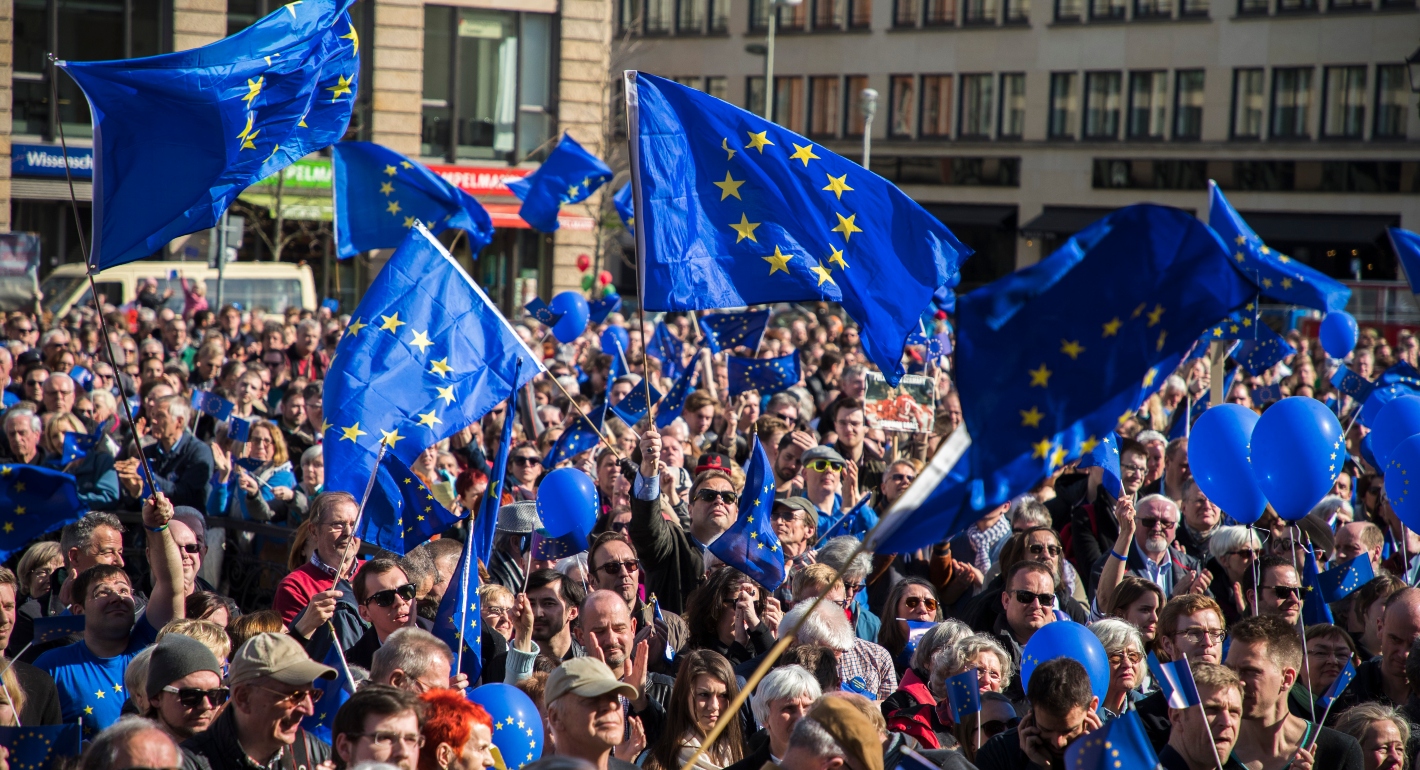
Preparing candidate countries for EU membership is no longer enough. As the enlargement process becomes a reality, the union must also prepare its own societies.

Iliriana Gjoni
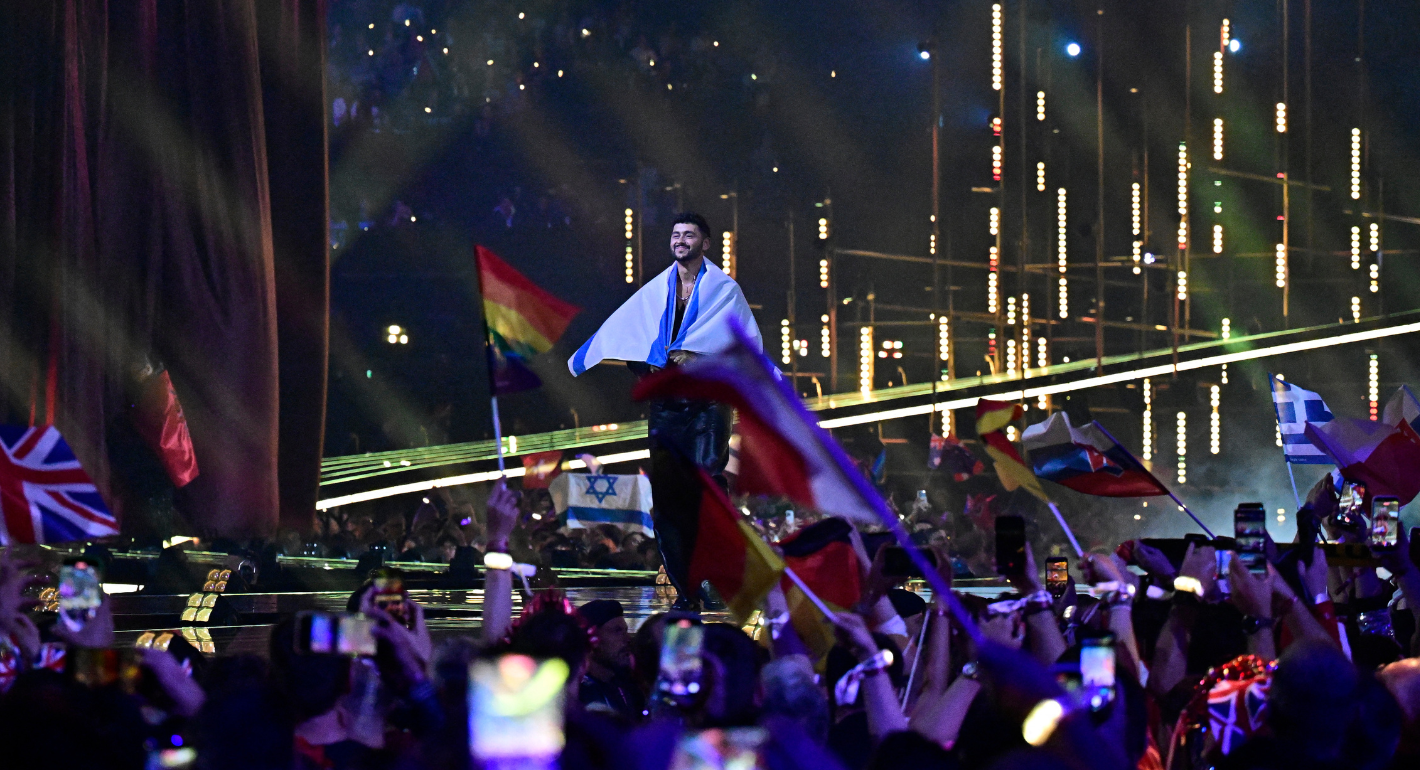
Five countries staged the biggest political boycott in Eurovision history over Israel’s participation. With the FIFA World Cup and other sporting or cultural touchstones on the horizon, are boycotts effective?

Rym Momtaz, ed.
The full list of humiliations Europe has endured since Donald Trump returned to the White House makes for grim reading. But Washington’s adversarial approach to its allies undermines its own power base.
Rym Momtaz
The closure of the Strait of Hormuz has triggered a global energy crisis, but Europe is stuck in reaction mode. Without more strategic foresight, the EU will remain dependent on fossil fuels and will never be truly secure.


Milo McBride, Pauline Gerard
After spending much of 2025 trying to placate Donald Trump, some European leaders are starting to change posture. But is even a hostile Washington still so important to Europe that the U.S. president’s outbursts are worth putting up with?
Rym Momtaz, ed.